
Maintaining Quality and Evaluating Results in Earth Science Education and Exploration
A comprehensive guide on ensuring high standards and effectively assessing outcomes in Earth Science education and exploration initiatives.
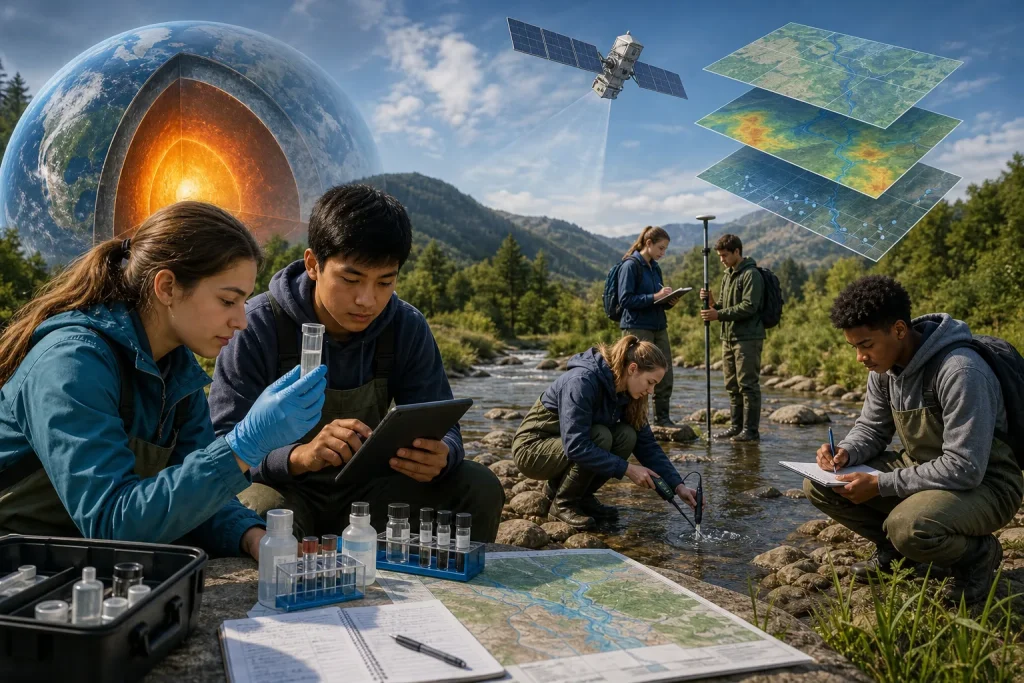
Earth Science is a multifaceted field that encompasses the study of the Earth’s physical constitution and the processes acting upon it. From geologic formations to atmospheric dynamics, maintaining quality in Earth Science education and exploration is crucial to advancing knowledge and fostering informed stewardship of our planet. This article delves into strategies for preserving educational rigor and methods to evaluate outcomes effectively.
The Importance of Quality Assurance in Earth Science Education
Quality assurance ensures that Earth Science programs deliver accurate, relevant, and current information to learners. Since scientific discoveries and technologies evolve rapidly, educational materials must be regularly reviewed and revised to mirror the latest findings. Incorporating peer-reviewed research and hands-on, inquiry-based learning approaches engages students actively and fosters critical thinking.
Moreover, quality assurance protects against misinformation and promotes scientific literacy among learners of all ages. Clear learning objectives aligned with national or state educational standards help maintain consistency and focus in teaching. Schools can enhance program integrity by scheduling routine curriculum audits and providing professional development opportunities for educators focused on Earth Science content and pedagogy.
Standards and Frameworks for Curriculum Development
Developing a robust Earth Science curriculum begins with alignment to recognized frameworks such as the Next Generation Science Standards (NGSS). These frameworks emphasize scientific practices, cross-cutting concepts, and core ideas that help students develop a comprehensive understanding of Earth systems and processes. Following such standards ensures coherence between lessons and real-world phenomena.
Utilizing varied instructional methods—including classroom lectures, laboratory experiments, fieldwork excursions, and interactive digital simulations—addresses different learning styles and strengthens knowledge retention. Connecting Earth Science topics like geology, meteorology, and oceanography to interdisciplinary themes also helps learners appreciate the complexity of natural systems, preparing them for further academic study or careers in STEM fields.
Using Technology to Enhance Learning Quality
Emerging technologies provide powerful tools to elevate Earth Science education. Geographic Information Systems (GIS) enable students to analyze spatial data, while remote sensing satellites offer real-world images for study. Virtual reality (VR) can immerse learners in environments like volcanoes or coral reefs, making abstract concepts tangible and engaging.
Additionally, digital platforms lend themselves well to formative assessment by providing instant feedback on student understanding. For example, using mobile applications for citizen science projects allows students to collect and upload data on local biodiversity or weather patterns, linking classroom learning with ongoing research. This approach not only improves motivation but also bolsters data quality through broader participation.
Methods to Evaluate Educational and Exploratory Outcomes
Effective evaluation of Earth Science programs employs a combination of quantitative and qualitative methods. Standardized tests and lab report grading provide measurable indicators of students’ knowledge and skills. Project presentations or posters allow assessment of communication abilities and teamwork, crucial for scientific endeavors.
Surveys and structured interviews can help capture learners’ attitudes, confidence, and interest in Earth Science subjects. During field research, data quality checks include verifying sampling techniques, replicating measurements, and conducting peer reviews to ensure reliability. Using detailed assessment rubrics provides transparent criteria for evaluating work, facilitating objective and consistent grading.
Continuous Improvement Through Feedback Loops
Implementing feedback loops is essential to sustain and enhance Earth Science education and exploration quality. Gathering perspectives from students, educators, and researchers reveals what worked well and highlights areas needing improvement. This information guides modifications to curriculum design, teaching strategies, or research protocols.
Institutions can institutionalize continuous improvement by forming advisory committees, conducting focus groups, and performing post-program evaluations. For instance, after a field course, facilitators might collect written feedback to identify difficulties students faced, enabling targeted support in future iterations. Such iterative refinement fosters innovation and responsiveness to emerging educational needs.
A Concrete Example: Evaluating a High School Field Study on Local Watershed Hydrology
A high school created a week-long field study focused on the local watershed to deepen students’ grasp of water cycles, pollution sources, and environmental impacts. The curriculum began with pre-trip lessons on watershed concepts aligned to NGSS standards. During fieldwork, students collected water samples at multiple sites, measured parameters like pH and turbidity using certified testing kits, and mapped sampling locations with GPS devices integrated into a GIS platform.
Post-trip evaluation included comparing pre- and post-unit quizzes to measure content knowledge improvement, assessing the accuracy of recorded water quality data, and student presentations summarizing findings. Additionally, surveys gathered feedback on engagement levels and instructional clarity. Results indicated gains in scientific understanding but revealed a need for enhanced data analysis support; consequently, the following year incorporated workshops on spreadsheet use and statistical basics. This tangible example illustrates how structured assessment and targeted follow-up can drive ongoing program excellence.
Conclusion
Maintaining quality and rigor in Earth Science education and exploratory activities is fundamental to developing scientific literacy and producing dependable research outcomes. By grounding curricula in established standards, leveraging modern technology, employing comprehensive evaluation strategies, and embracing continuous feedback, educators and researchers can maximize impact. Such committed efforts empower learners and communities to engage thoughtfully with Earth’s dynamic systems and contribute to informed environmental stewardship.